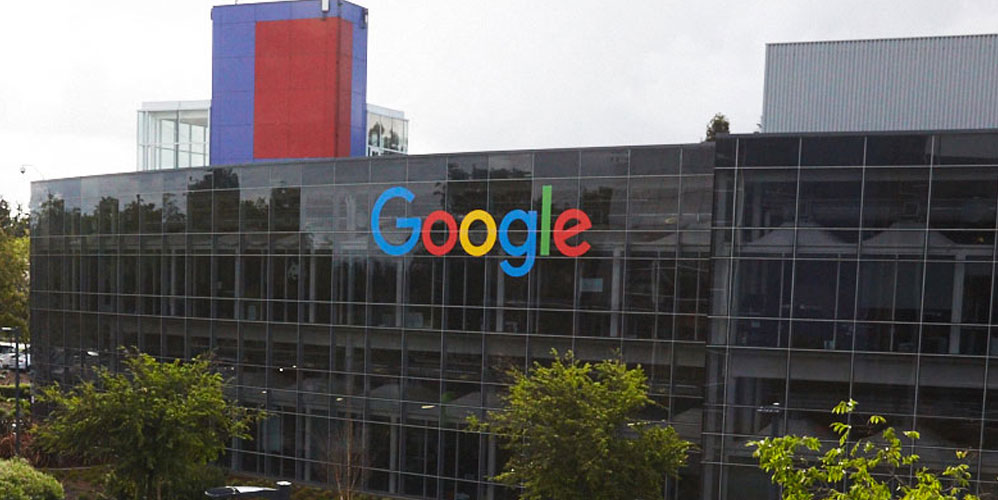
Google Bets Big on Finland for AI Infrastructure
Google is making its largest single investment in Europe in Finland, committing €13 billion to expand data center capacity and develop the energy infrastructure needed to support growing demand for artificial intelligence services.
The investment will fund three new data centers, expand an existing facility, and support additional energy projects. It highlights the growing importance of reliable electricity as technology companies race to build the computing capacity required for AI.
As part of the investment, Google has signed a 22 year agreement with Finnish utility Fortum to purchase up to half of the electricity generated by the Loviisa nuclear power plant, which currently produces around 10% of Finland’s electricity.
Finland attracts AI investment
Finland has become an increasingly attractive location for large data centers because of its cool climate, abundant low carbon electricity, and relatively uncongested power grid.
Lower temperatures can reduce the energy required to cool facilities containing large numbers of power-intensive servers. At the same time, access to reliable low carbon electricity is becoming increasingly important as AI drives demand for computing power.
Google will build new data centers in Kajaani, Muhos, and Vaala while expanding its existing facility in Hamina. Established in 2009 after the conversion of a former paper mill, the Hamina site supports services including Search, Maps, YouTube, and Gemini.
Nuclear power adds certainty
The agreement with Fortum connects Google’s digital expansion with Finland’s existing nuclear power infrastructure.
For Google, the long-term contract provides greater certainty over electricity availability and costs. For Fortum, it provides predictable demand and supports plans to extend the operating life of the Loviisa plant and increase its generating capacity.
The arrangement reflects a broader trend among technology companies, which are increasingly seeking long-term energy agreements as AI pushes electricity demand higher.
As a result, access to reliable power is becoming an increasingly important factor when companies choose locations for new data centers, alongside land, connectivity, and digital infrastructure.
Investment goes beyond data centers
Google’s €13 billion package will also support clean energy projects, grid improvements, and initiatives focused on energy affordability.
The company expects the investment to support more than 37,000 jobs during construction and contribute around €3.6 billion a year to Finland’s GDP. Construction of the new facilities is expected to take place in 2027 and 2028.
The wider economic impact could extend beyond construction by attracting suppliers, engineering firms, technology companies, and other businesses involved in digital infrastructure.
For Finland, the investment strengthens its position in Europe’s expanding data economy while making use of its relatively clean electricity supply.
The wider AI infrastructure race
Google’s investment comes as technology companies dramatically increase spending on AI infrastructure. Alphabet has raised its global spending plans to as much as $205 billion as it expands computing capacity for AI services.
Advanced AI systems require not only sophisticated chips and servers, but also large amounts of electricity, cooling capacity, and grid infrastructure. Energy availability is therefore becoming a strategic consideration for the technology industry.
Countries with reliable electricity, strong digital infrastructure, and suitable conditions for data centers are increasingly competing for investment.
What investors should watch
Google’s commitment to Finland demonstrates how closely the growth of artificial intelligence is becoming linked to energy infrastructure.
The investment combines data centers, nuclear power, grid development, and local investment into a long-term strategy. The Fortum agreement also shows how technology companies can secure electricity supplies while supporting investment in existing power infrastructure.
For investors, the opportunity extends beyond companies developing AI systems. Utilities, power producers, grid operators, data center developers, and infrastructure suppliers could all benefit as AI computing creates sustained demand for electricity.
Finland’s appeal also highlights a broader trend: access to reliable power is becoming one of the key constraints on the next phase of AI infrastructure expansion.
