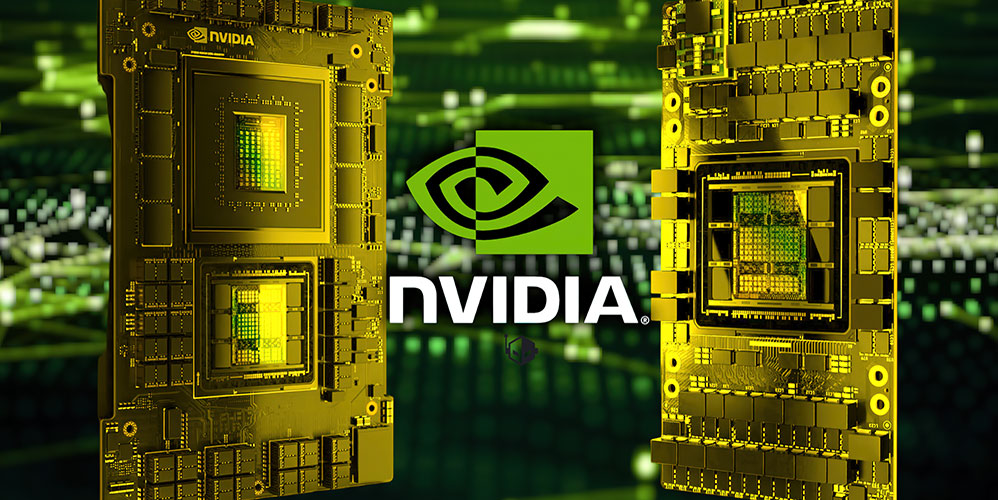
Nvidia Considers Halting H20 Chip Production as China Intensifies Scrutiny
Nvidia is reportedly instructing some of its suppliers to suspend work linked to the H20 processors designed for China, following restrictions placed by Beijing on local purchases of the chips. The move highlights the growing difficulties faced by the company as it navigates intensifying U.S.–China tensions and shifting trade policy.
According to people familiar with the matter, Chinese regulators recently asked domestic technology companies to halt orders of the H20, citing national security concerns. Authorities raised questions over whether the chips contained potential tracking features or so-called backdoors, prompting a more exhaustive investigation. Last month, the Cyberspace Administration of China summoned Nvidia for information and launched a security review of the product.
China’s approach initially appeared as a soft mandate but later extended to formal notices urging companies, including major internet and AI developers, to suspend purchases until the review is complete.
Nvidia has confirmed it is managing its supply chain to reflect current market conditions. The company has reportedly asked several key partners, including firms responsible for packaging and memory supply, to halt production related to the H20 chips.
The company insists the product does not contain backdoors and emphasized that the H20 is intended purely for commercial use. Nvidia has argued that the chip is not designed for government or military purposes and that allowing its use in commercial applications benefits both the United States and China.
Chief Executive Jensen Huang acknowledged that discussions with Chinese authorities have been ongoing. He expressed hope that responses provided to regulators will resolve the matter, while also noting his surprise at the depth of the inquiries. Huang has previously lobbied U.S. officials to ease restrictions, warning that shutting Nvidia out of China risks accelerating the development of domestic alternatives.
Earlier this year, Washington restricted sales of the H20 to China before later granting limited export licenses. Nvidia recorded a $4.5 billion write-down on unsold inventory as a result, estimating that sales would have been $2.5 billion higher without the curbs.
Now, with Beijing placing its own barriers on the chips, the return of the H20 to the Chinese market is uncertain. The scrutiny underscores China’s determination to bolster its semiconductor capabilities while reducing dependence on American suppliers.
At the same time, Nvidia continues to stress the global importance of its technology stack, which underpins much of today’s artificial intelligence development. Huang has stated that the world will continue advancing AI regardless of U.S. restrictions, making it critical for American companies to remain engaged in international markets.
Industry observers see Beijing’s latest actions as reinforcing its long-term ambition of chip self-sufficiency. By limiting reliance on foreign hardware, China aims to strengthen its domestic industry while countering U.S. efforts to maintain dominance in advanced semiconductors.
For Nvidia, the situation illustrates the precarious balance of operating in both markets amid growing political and security pressures. The outcome of ongoing negotiations between Washington, Beijing, and major technology companies will be critical in determining how much access Nvidia retains to one of its most important markets.